Dormillouse
Dormillouse
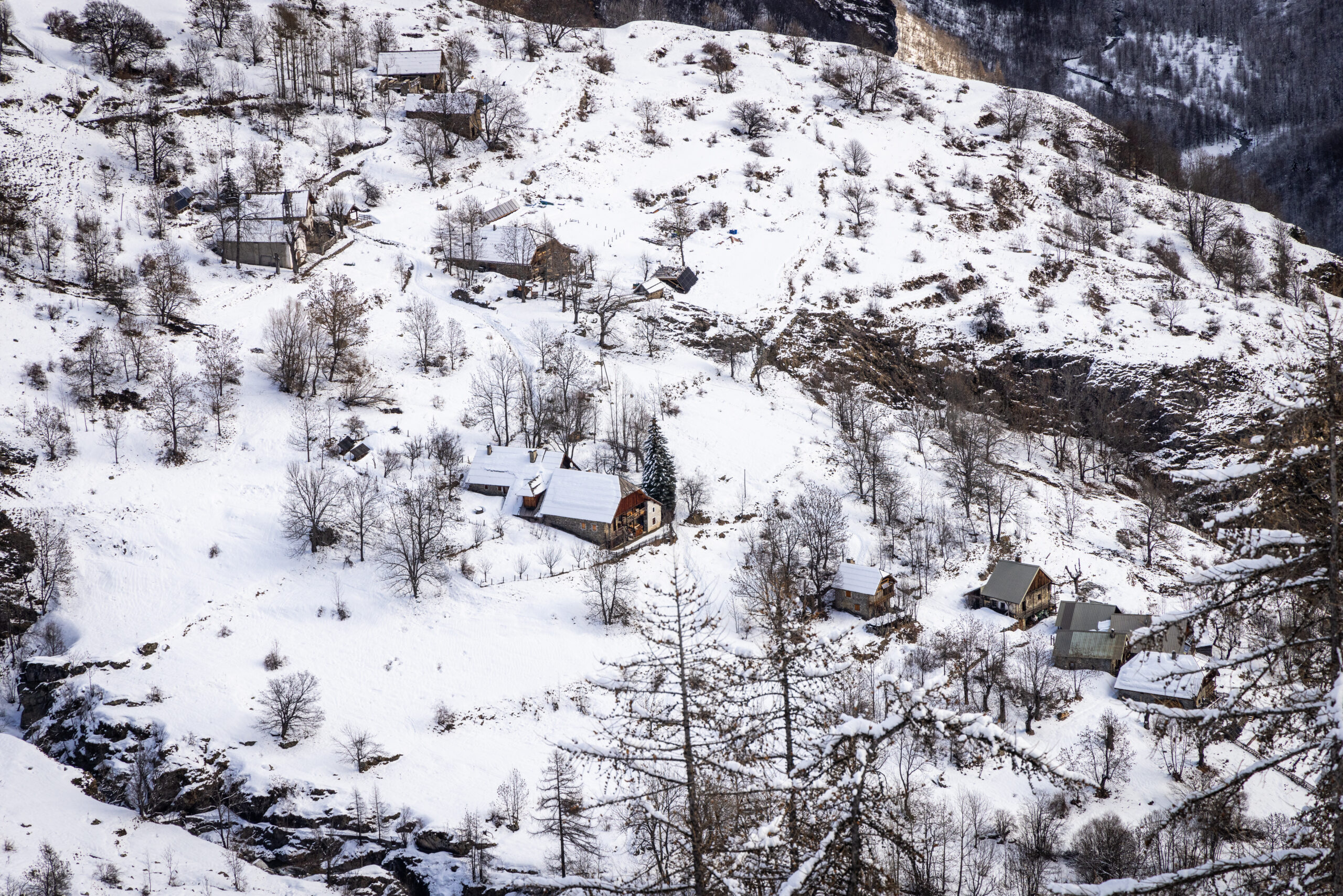
Dormillouse—a timeless village in the heart of the Écrins
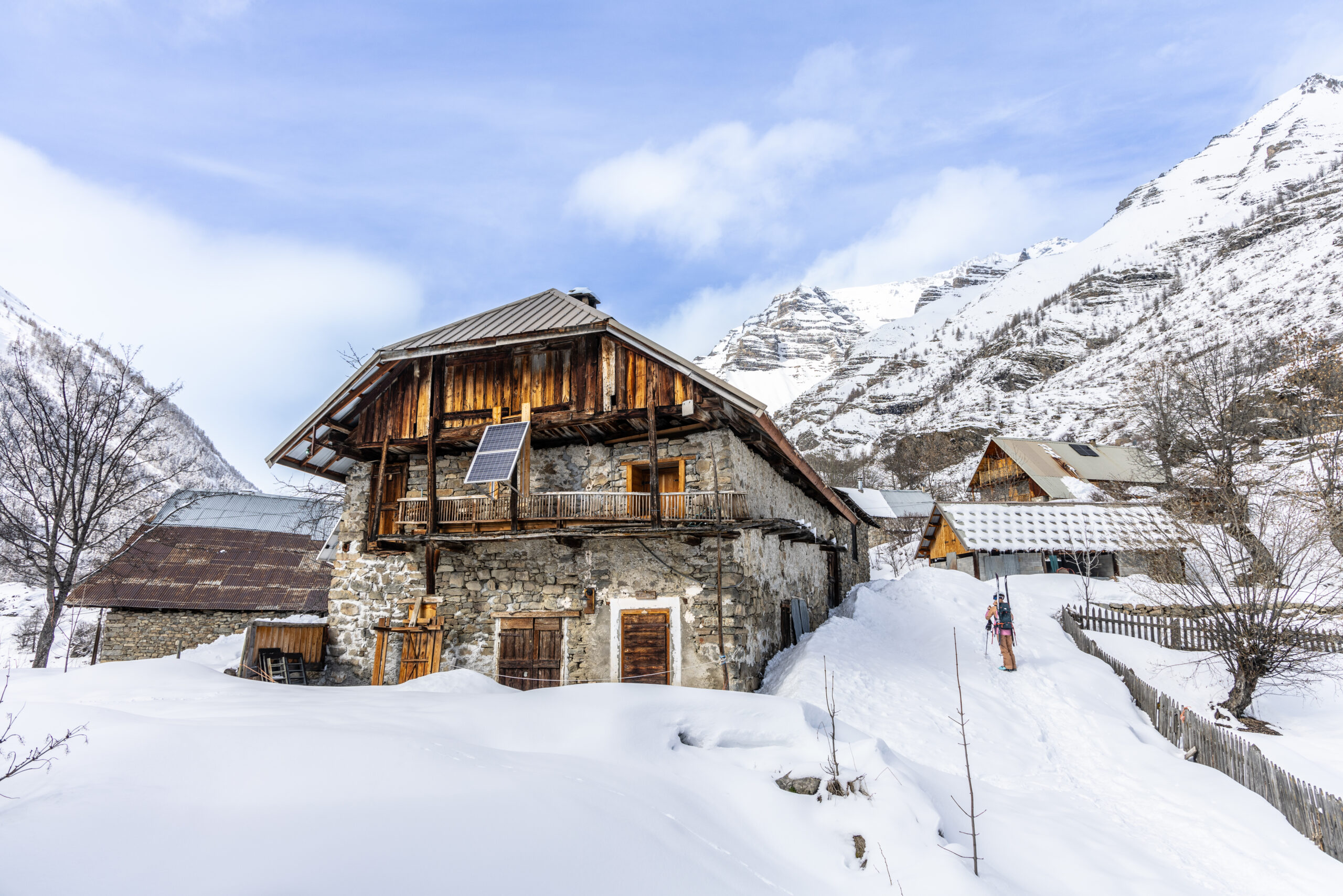
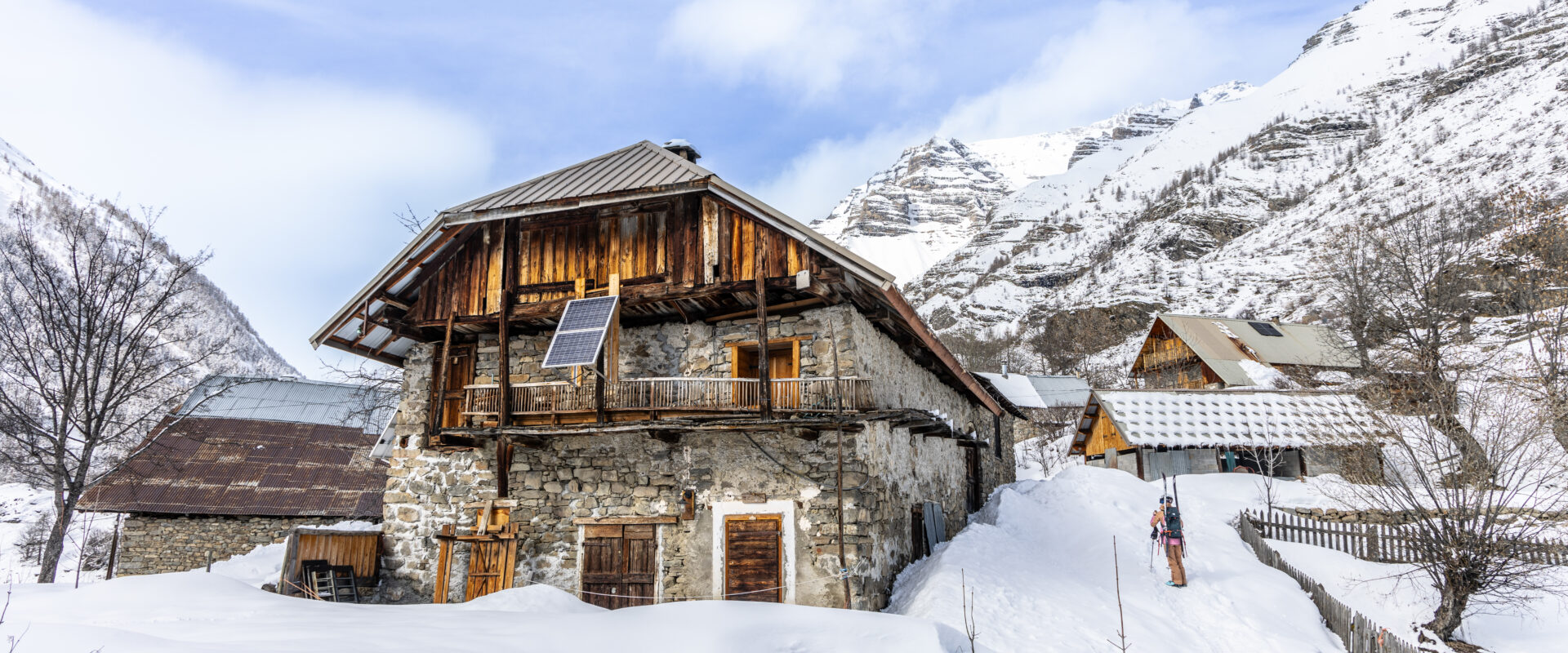
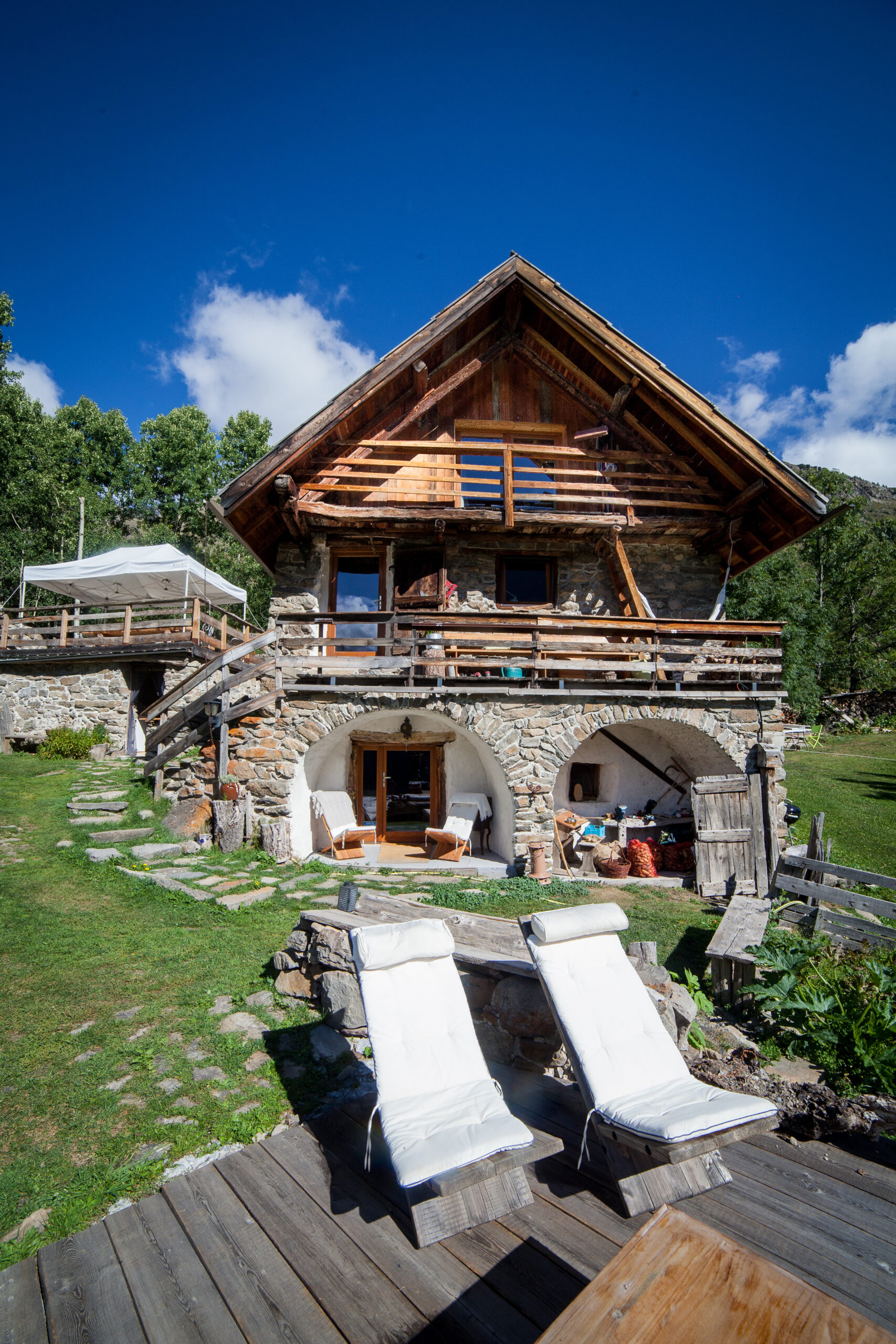
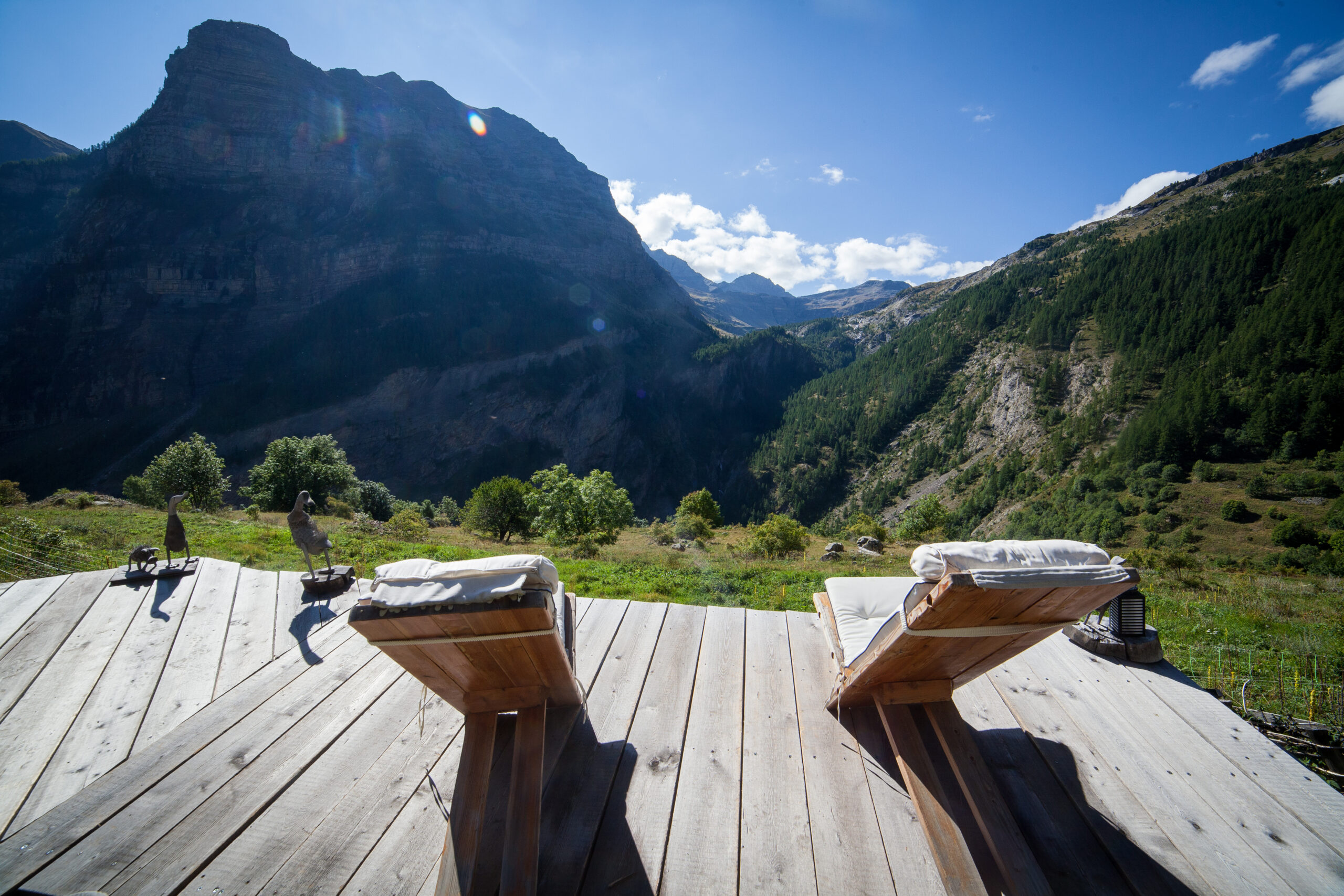
At an elevation of 1,750 meters, Dormillouse is the only village in the Écrins National Park that is inhabited year-round. Accessible only on foot, it offers a rare opportunity to immerse yourself in a well-preserved hamlet, surrounded by wilderness, the history of the Vaud region, and pastoral life.
At an elevation of 1,750 meters, Dormillouse is the only village in the Écrins National Park that is inhabited year-round. Accessible only on foot, it offers a rare opportunity to immerse yourself in a well-preserved hamlet, surrounded by wilderness, the history of the Vaud region, and pastoral life.
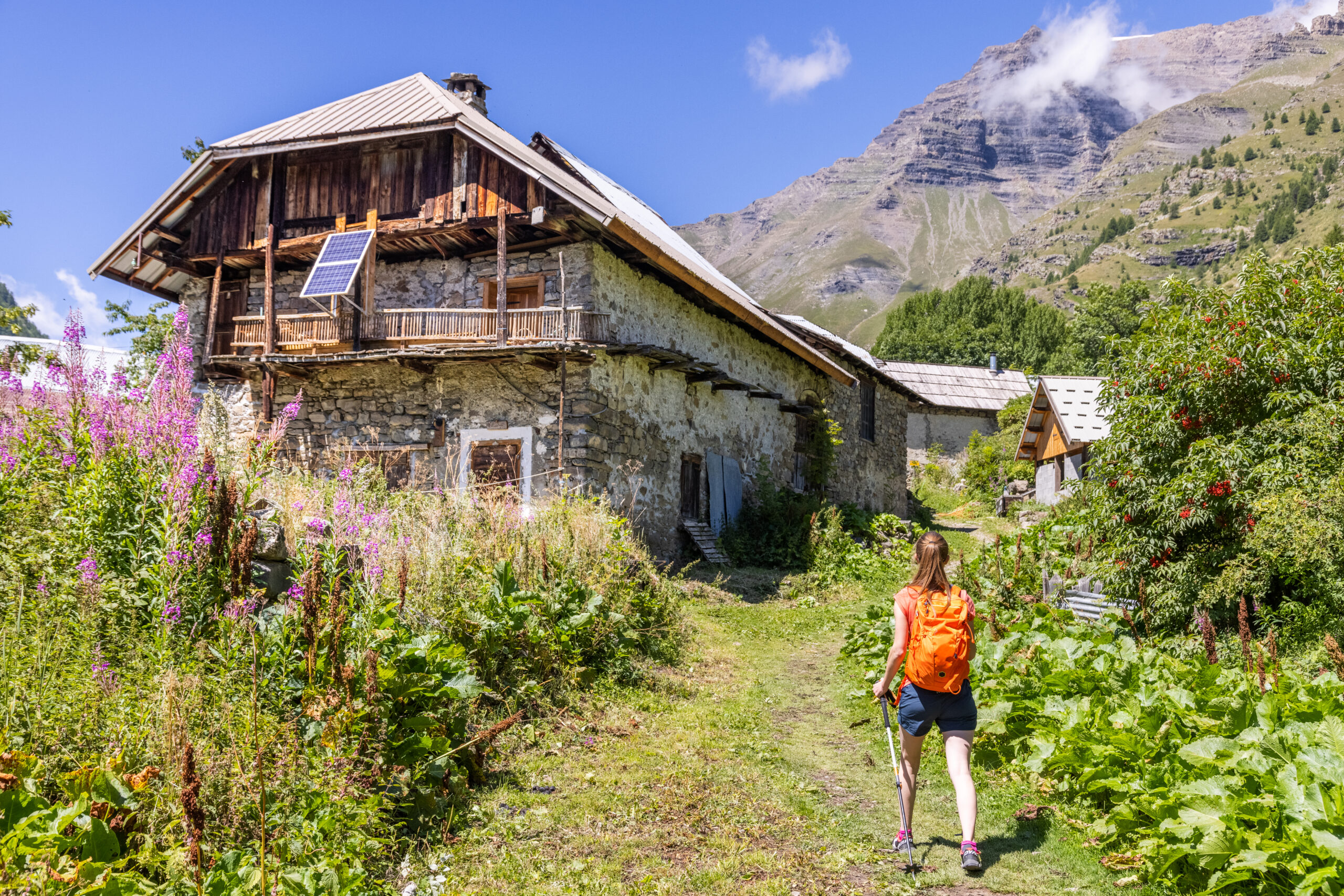
A vibrant village rich in heritage
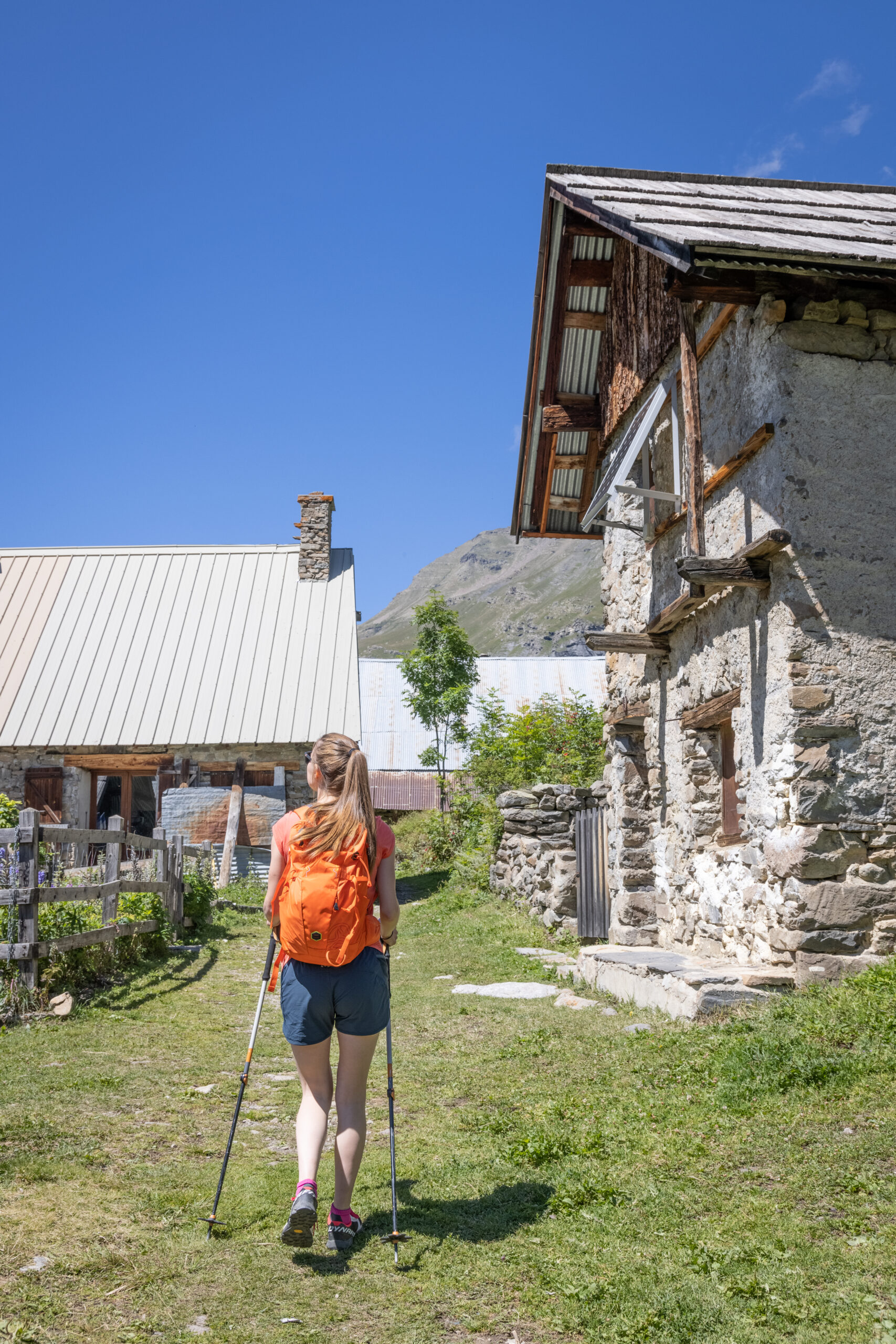
In the summer, allow about 1 hour for the hike (350 m elevation gain) from the parking lot at the end of the D238, in the Freissinières Valley. The trail winds past the Biaysse waterfalls through a cool, wooded setting.
While you’re there, you’ll run into:
- The Protestant church (1758), converted following a delightful anecdote involving the local priest;
- The old school, now a waystation;
- The home of Félix Neff, a key figure in the 19th-century intellectual revival in the mountains;
- Bread ovens, a watermill, and a restored hydroelectric turbine;
- Irrigation canals and mining ruins around Lake Fangeas.
- Marmots, sheep grazing in the mountain pastures, edelweiss, and Alpine snowbell round out the picture-perfect scene.
What’s there to do in the area?
Take a walk from the hamlet to Faravel and Palluel Lakes: turquoise waters, alpine scenery, and guaranteed silence.

Practical Information
Accommodations: overnight lodgings or camping (in authorized areas). Reservations recommended.
Best time to visit: June through September (maximum sunshine).
Equipment: hiking boots, water, IGN map, check the weather forecast.
📸 #Dormillouse – An experience to be savored with your legs… and your heart.
In winter
Snowshoe hike with a recommended mountain guide (avalanche-prone area).
SUMMER ACCESS
Head to the end of the D238, then leave your car there and follow the marked trail. Allow 1 hour for the hike, with 350 meters of elevation gain.

WINTER ACCESS
It is strongly recommended that you be accompanied by a mid-mountain guide, as the route crosses slopes prone to avalanches.