Blue Thistle Reserve
Blue thistle reserve where the queen of the Alps blooms…
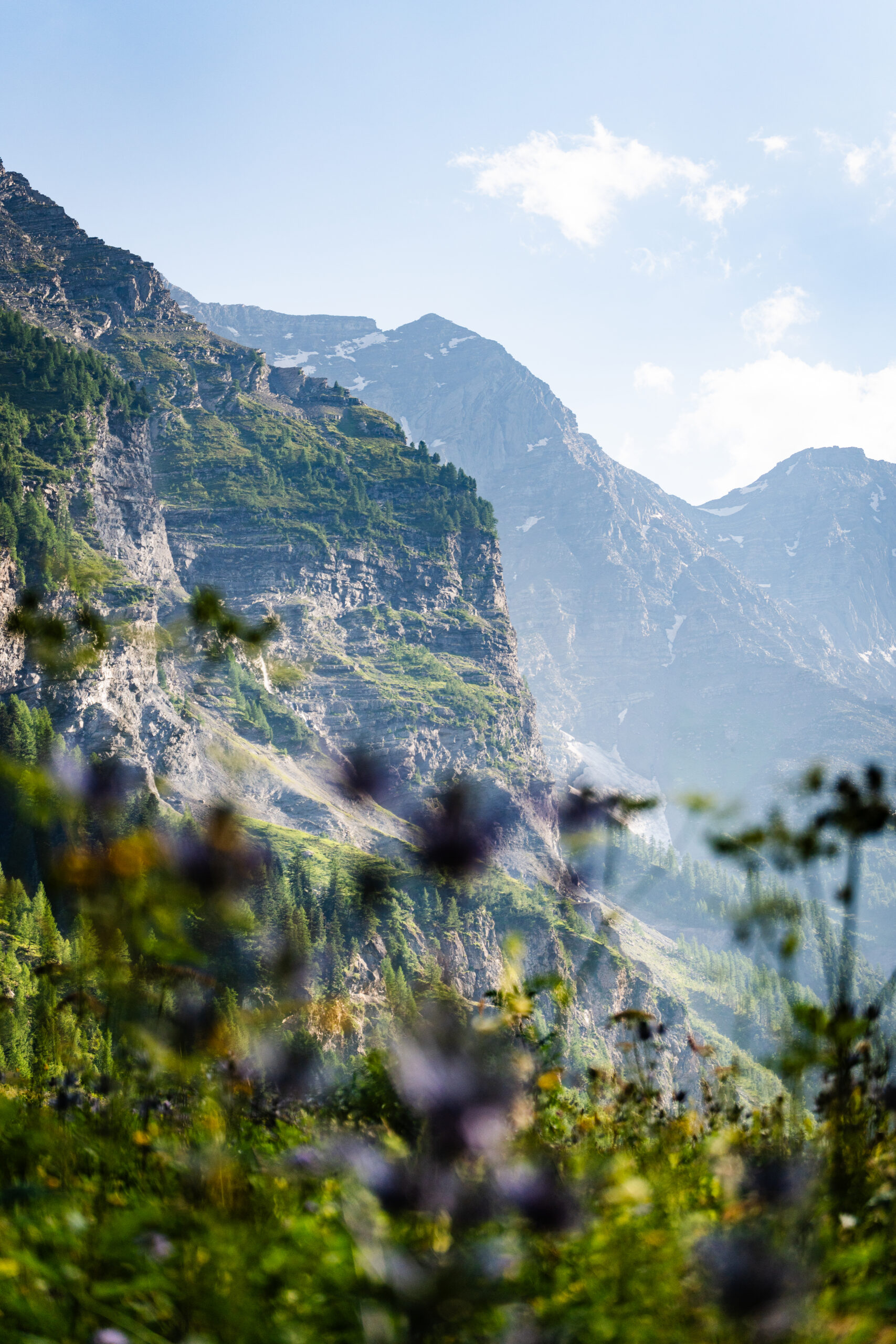
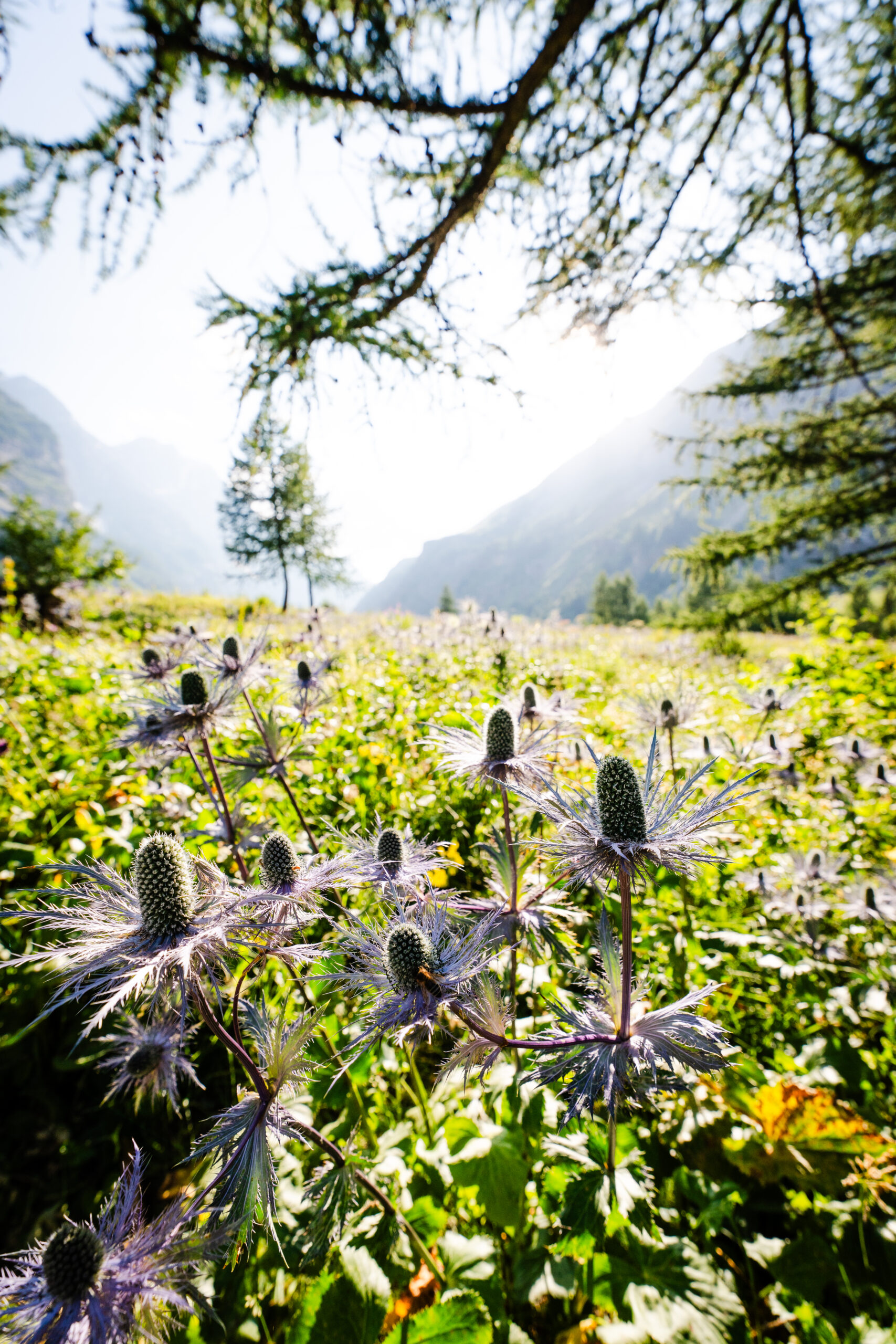
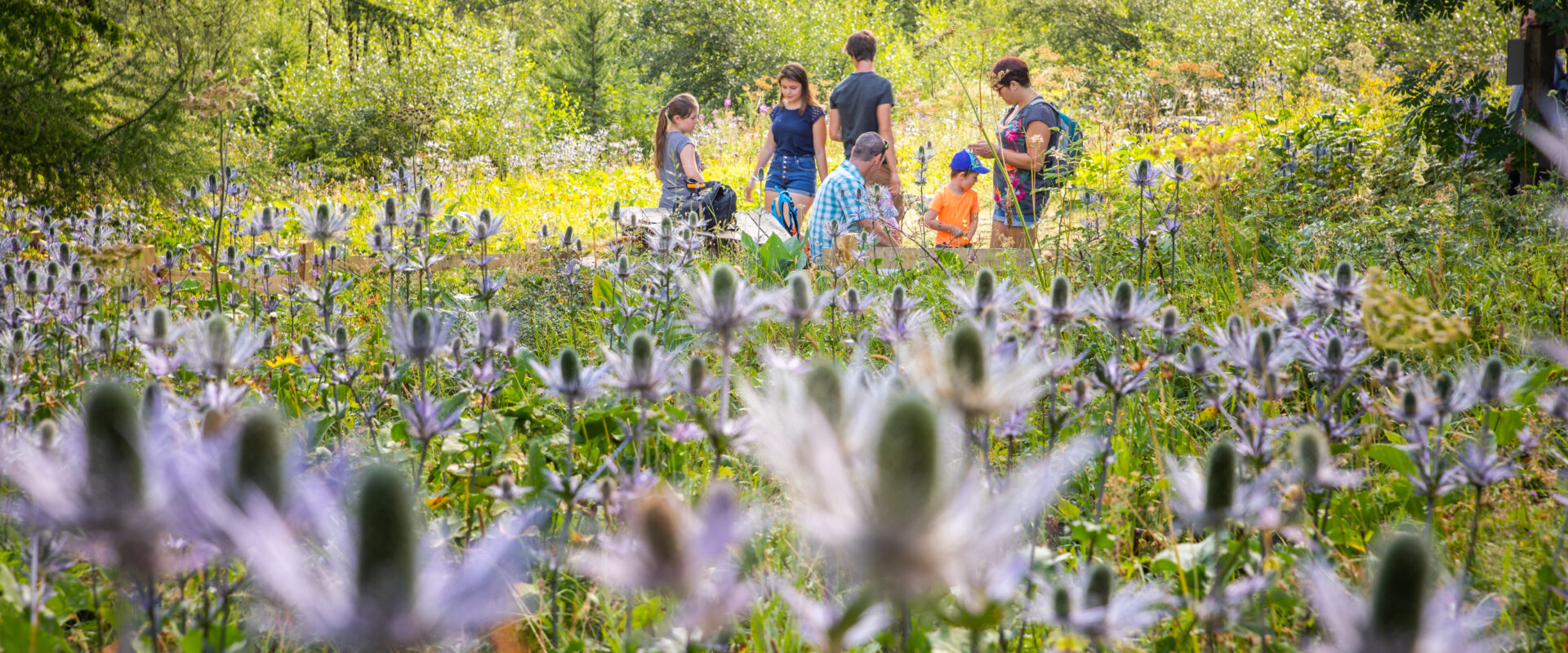
Discover the blue thistle reserve, a real floral setting nestled in the heart of the Fournel valley. A jewel of the Écrins National Park, this site offers an unforgettable immersion in the world of the “Queen of the Alps” and 900 other varieties of flowers. Fly off on a unique botanical adventure, where nature and protection meet to inspire your curiosity.
A sanctuary for alpine flora
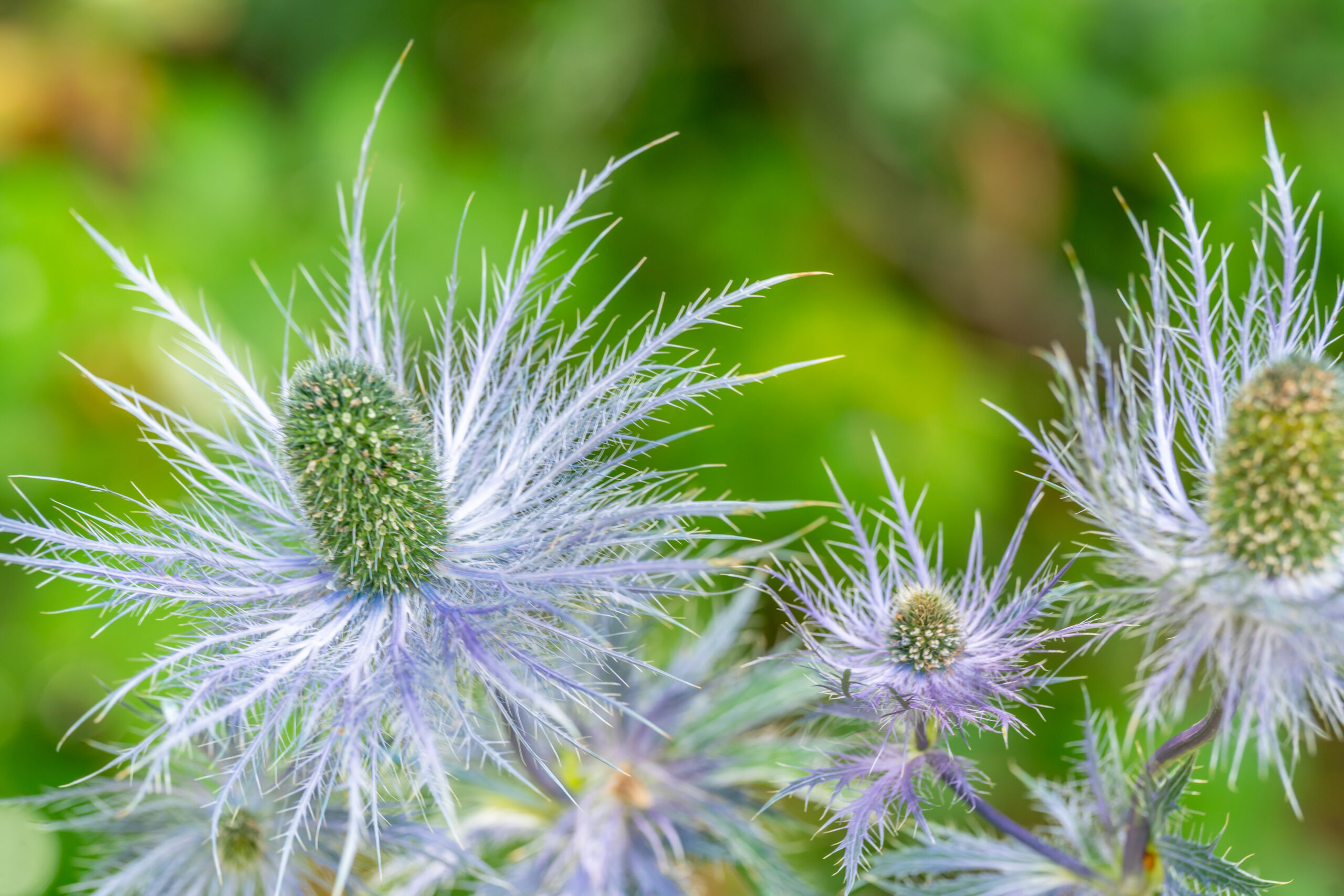
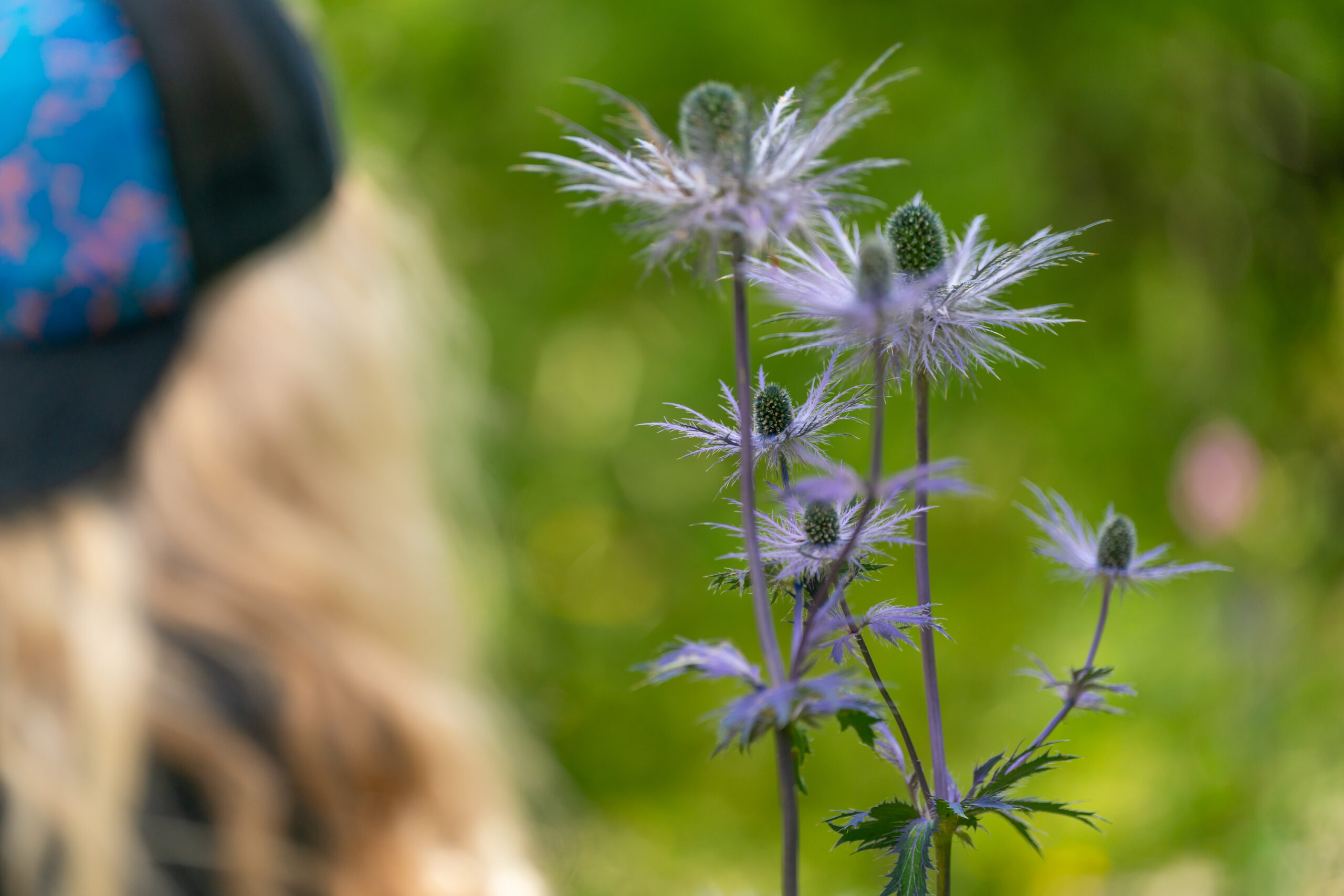
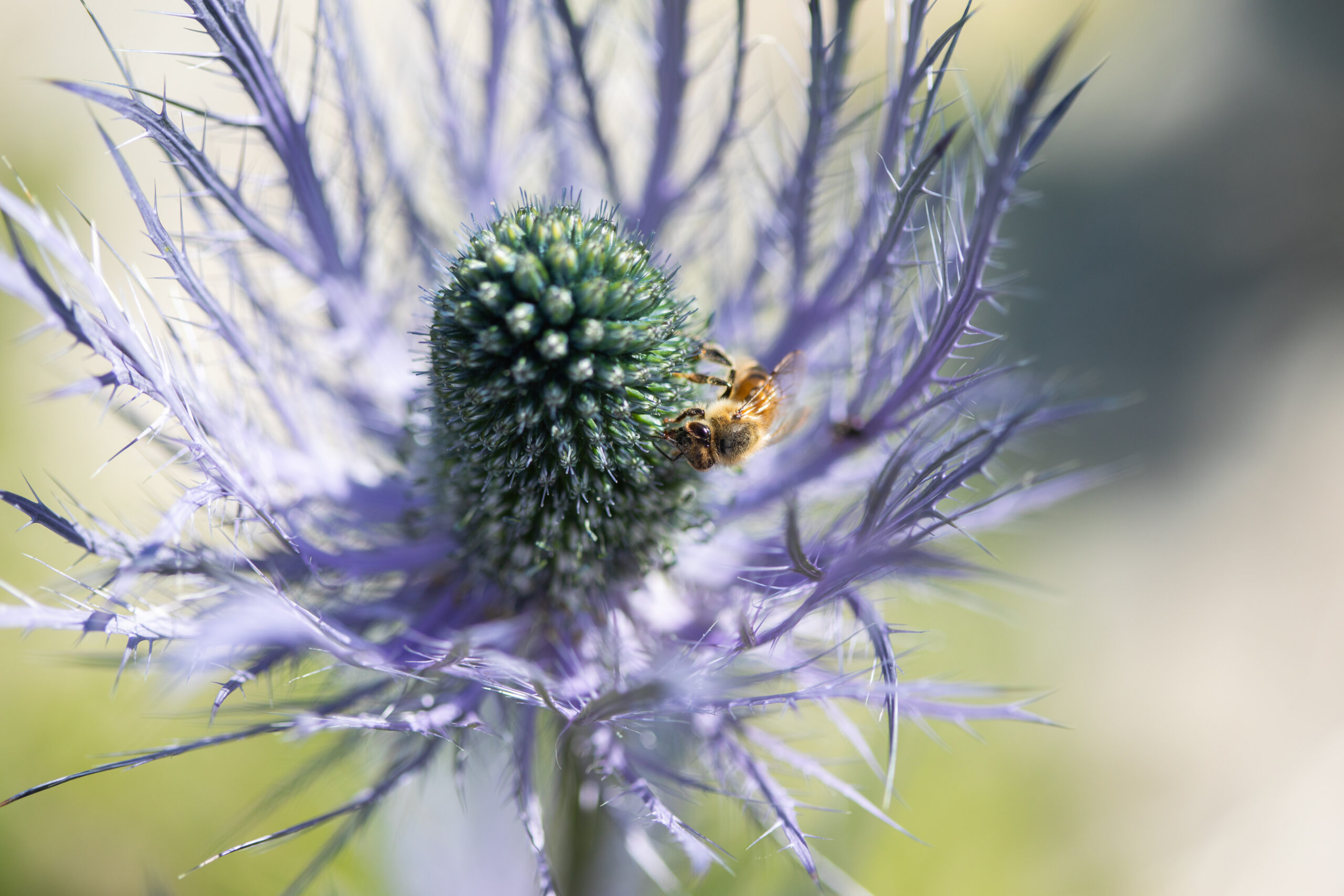
The name “Blue Thistle Reserve” refers to the majestic Queen of the Alps (Eryngium alpinum), the first emblem of the Écrins National Park. This rare species, protected at the national level and classified as Natura 2000, extends over 40 hectares in the upper Fournel valley, including 17 ha precisely in the Deslioures Biological Reserve.
Location: At an altitude of 1,560 m, accessible from the town of L’Argentière-la-Bessée
Access: By the GR 54 Several accesses are possible to the Albrands (2h30 hike) from La Murègne (picnic tables 2h round trip). La Salce car park (be careful, unpaved mountain road) direct access.
Flowering period: Usually flowering begins around July 10th, the blue thistles bloom, offering a spectacle of azure hues. Then the fruits form and the plant turns a metallic purple.
Savor every step on this protected trail, aware that you are participating in the preservation of one of the most beautiful alpine flowers.
A botanical paradise and interpretive trails
In addition to the star of the site, nearly 900 floral species coexist within the Deslioures reserve. You will come across gentians, edelweiss, saxifrages and many other treasures of the alpine flora. The National Forestry Office (ONF) has designed an educational trail dotted with explanatory panels, allowing a better understanding:
- Natural environments in the high mountains (grasslands, lapiaz, rockeries);
- The astonishing adaptations of plants to the harshness of the climate (deep roots, protective hairs);
- The fragility of these ecosystems and the importance of regulations (stay on the paths, don’t pick anything).
As you stop at the lookouts, let yourself be guided by information about the geology, pollinating insects and local legends related to the Queen of the Alps.