Geology in the Cases
A geological heritageRich and condensed
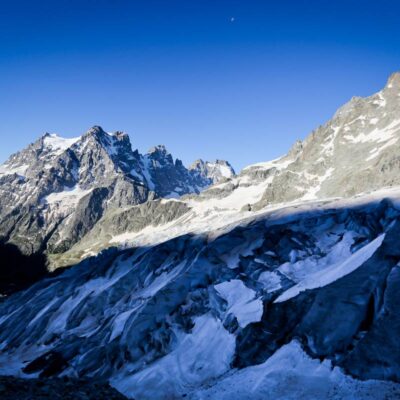
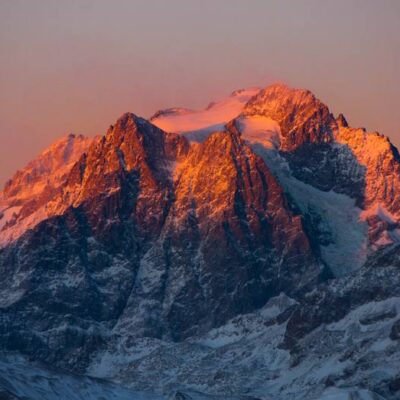
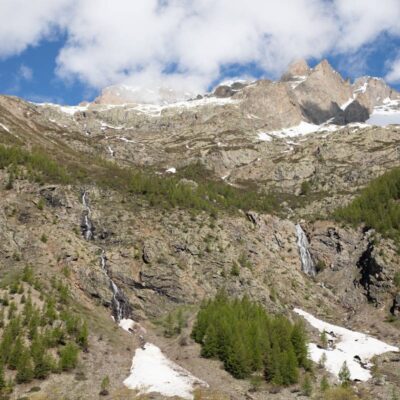
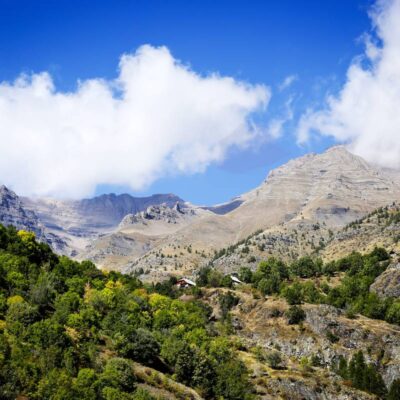
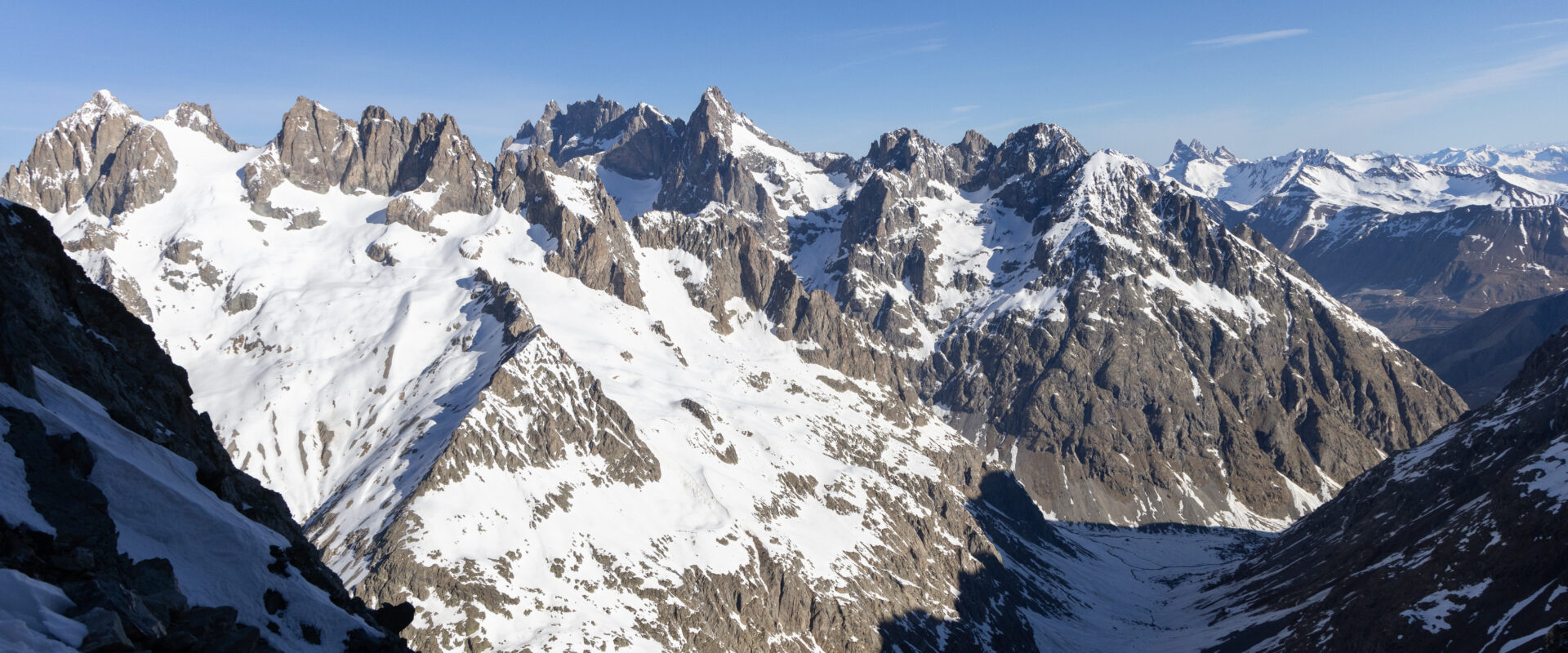
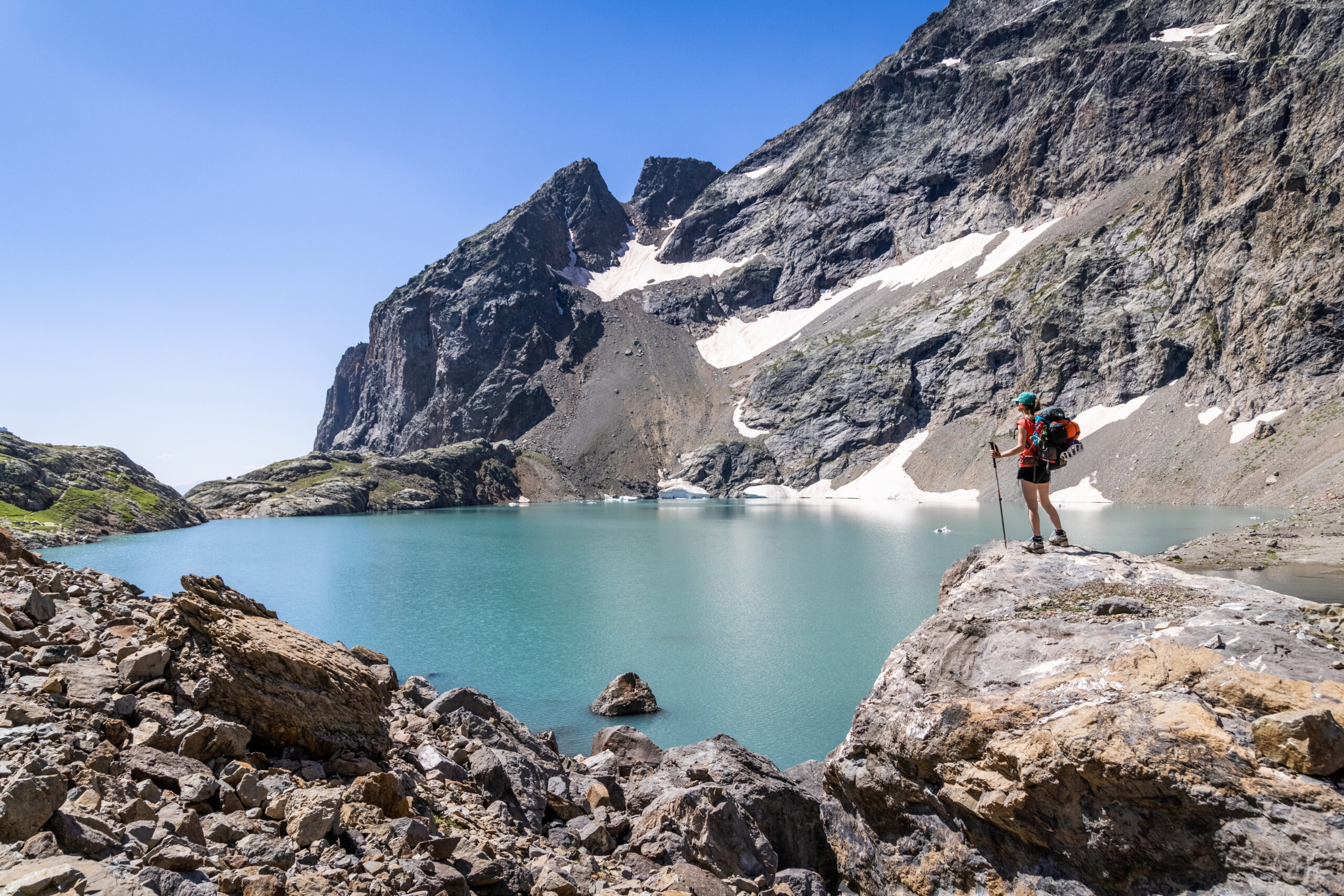
The diversity and richness offered by the territory are unique in the world. From the shape of the summits, the traces of the constitution of the Alps, the glacial moraines, the glaciers, the geological evolutions, and many other specificities that allow the Pays des Écrins to attract scientists from all walks of life (geology, geomorphology, palaeontology) to this concentrated area. In less than 30 minutes by car you can see the trace of all these geological elements.


The Pays des Écrins internationally
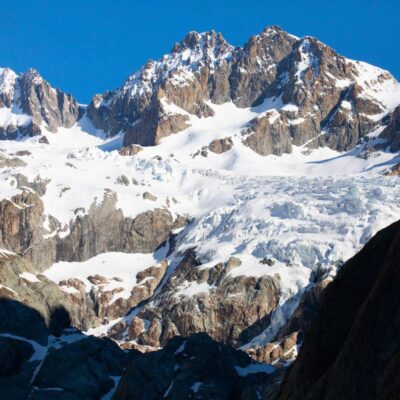
Internationally, too, the Pays des Écrins attracts scientists to study the terrain of the Alps. Our foreign friends roam the territory and enjoy the joys of life in the Pays des Écrins, tasting local specialities, enjoying the friendliness of our accommodation providers and having fun during new activities.
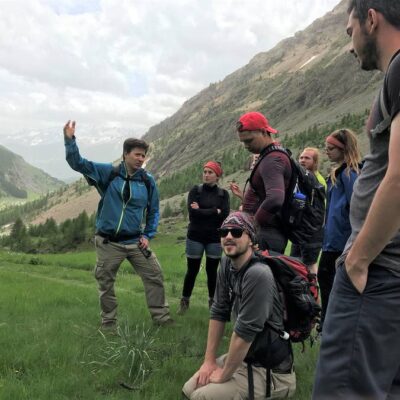
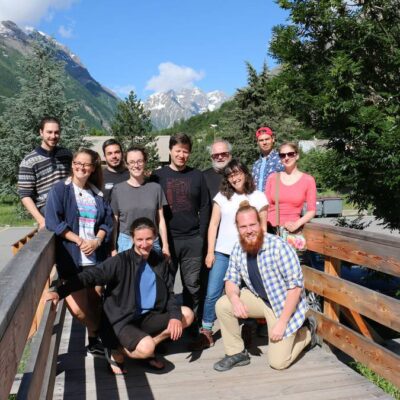
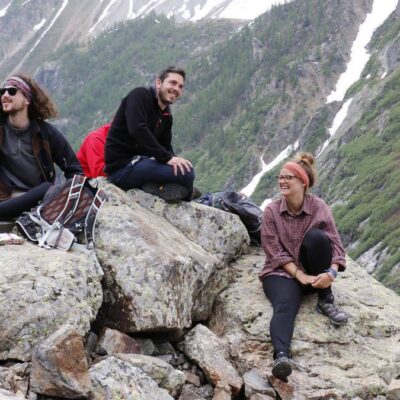
Academics from the University of Laval in Quebec came with their professors to study the geological and geomorphological forms of the Pays des Écrins. They chose this territory for the diversity and the unique concentration of geological traces in a small space. You can find here the details, impressions and program of this stay.
Where the mountainsTell the Birth of the World
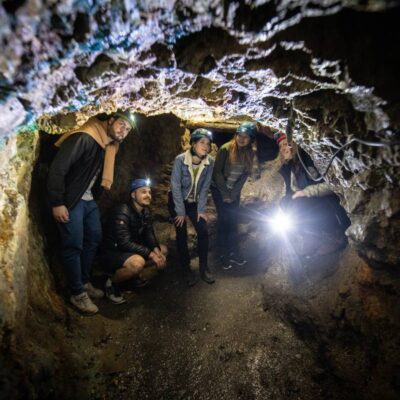
Come and discover the history of the world in our territory, from the birth of the Alpine Ocean, called Thetis, to the silver mines of Argentière. Passing through the uplift of the Alps, with the line of overlaps of the tectonic plates of Africa and Europe in the Durancien axis (Queyras – Ecrins), which explains a large part of the elevation of the massif and the Alps. Many parameters mean that unique geological curiosities in the world are found here, such as the Chenaillet massif with the ” pillow lava “, lavas from underwater volcanoes that were at a depth of 4,000 m while today they are found at an altitude of 2,600 m, …. Geologists from all over the world come to admire these unique geological forms.

The last ice age (dating from 15 to 20,000 years ago), when the peaks reached up to 1,800 m above sea level, sculpted the landscape by carving out magnificent valleys. Trough-shaped valleys with steep slopes, valleys hanging from the glaciers, …
You can study the granitic pluton in the heart of the massif, with a very large metamorphic halo around it ranging from anatexites (Mont-Pelvoux), migmatites (Barre des Ecrins) to several kinds of gneiss (Upper part of the Meije, Olan or Sirac).