


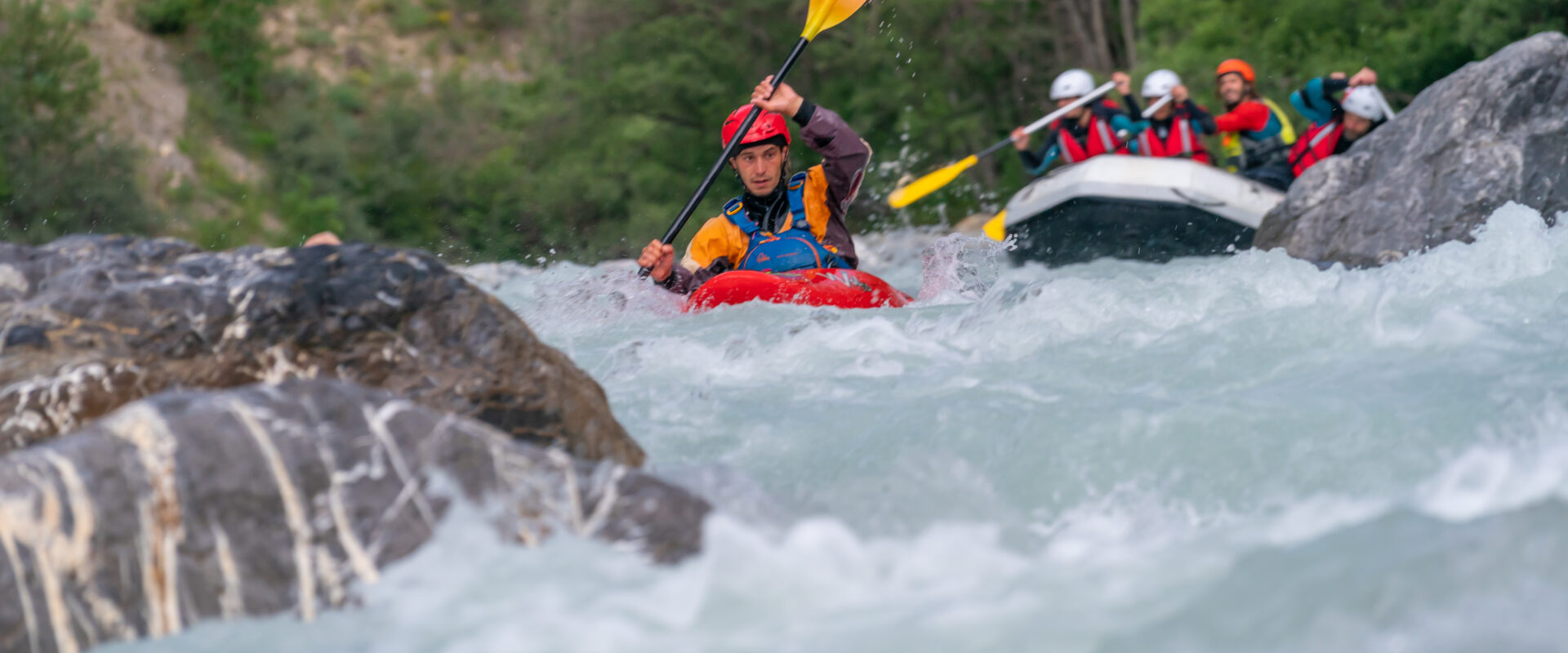
top 10 rivers in the Pays des Ecrins
Top 10The rivers of the
Pays des Écrins
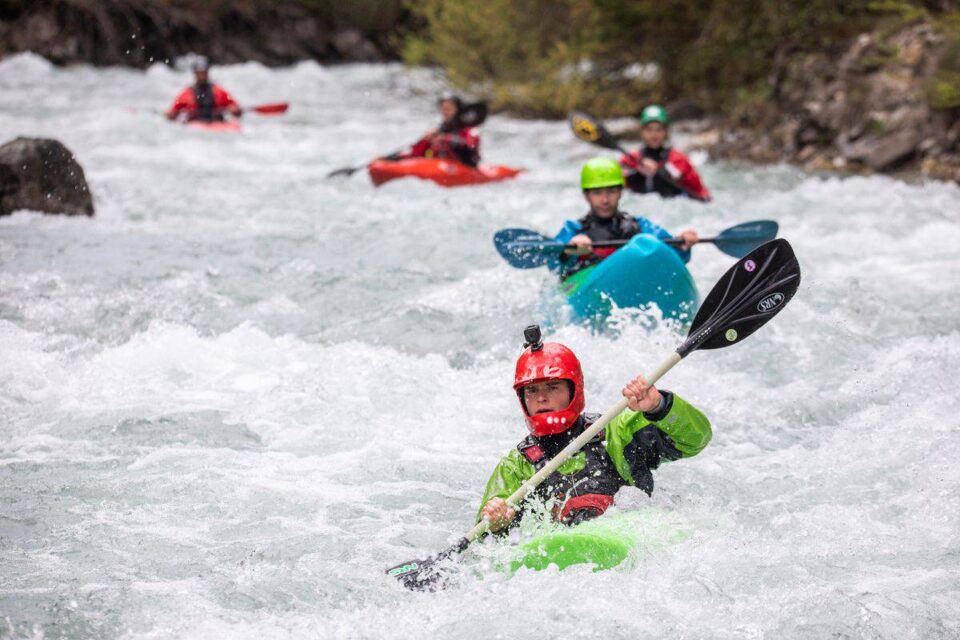
In the heart of the Alps, the Pays des Écrins is home to spectacular rivers that will delight both white water enthusiasts and nature lovers. This top 10 invites you to discover the most beautiful of them, between wild torrents, deep gorges and preserved alpine landscapes.
La Gyonde (Part 1): from Vallouise to Les Vigneaux
At the junction of the Onde and the Gyr, the Gyronde is created and its waters trace the Vallouise valley. A course classified III/IV, marked by a few rapids at the beginning. The Blanche behind and the Queyras in the line of sight offer a rich panorama. However, beware of the pumping station at the exit of Vallouise.
La Gyronde (Part 2): from Vigneaux to Argentière
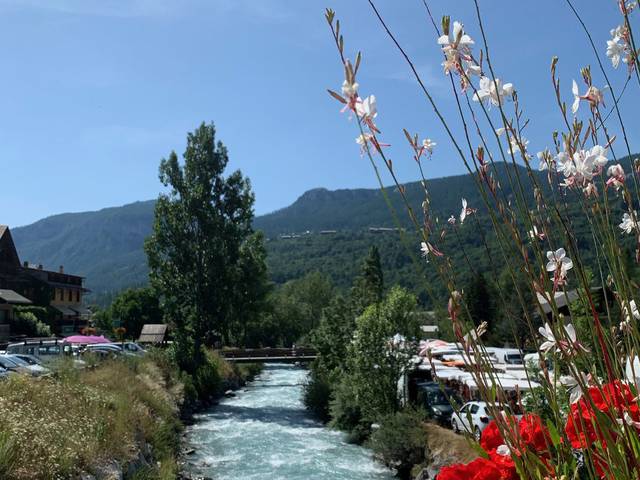
The second part of the Gyronde is more sporty and rushes into the gorges under the Bâtie des Vigneaux. Classified III/IV, this section is more isolated, especially in the gorges, before arriving in the Argentière basin. The view opens up quickly when you arrive at the Argentière, on the Durance valley, bordered between the Queyras and the Écrins.
L’argentière-la-BesséeThe whitewater stadium
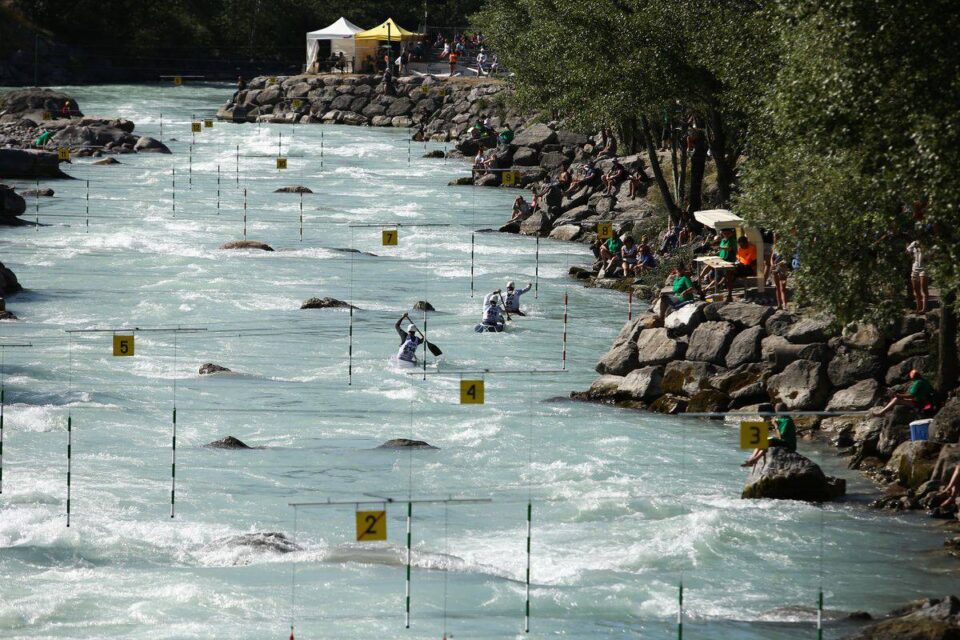
This stadium, located on the natural course of the Durance and artificially rocked, is a dream place for experienced kayakers. Usable from spring to autumn, this stadium offers a privileged setting for training and improvement.
Le Gyr: from Pelvoux to Vallouise
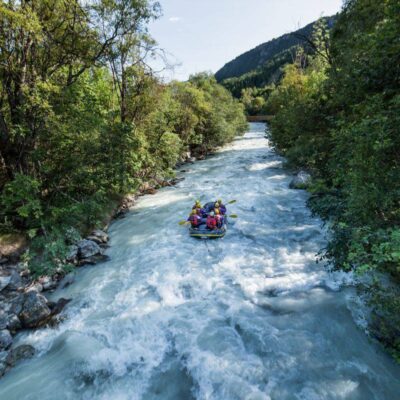
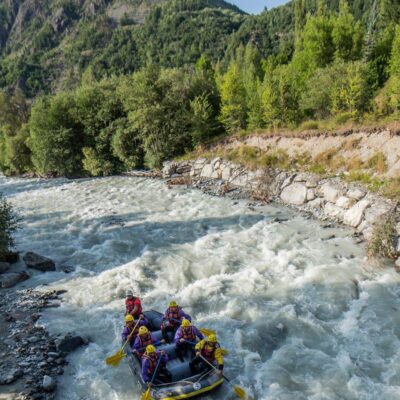
An extremely sporty and demanding river, which will delight the most adventurous among you. Rated IV/V, the Gyr is everything a high mountain river should be: fast, powerful, cold and without pauses, but it is terribly satisfying to get to the end! Mandatory descent on arrival in Vallouise.
The Durance: from Argentière to La Roche-de-Rame
This portion of the emblematic Durance is a perfect initiation course for anyone wishing to learn about whitewater. This course complements the practice in the Argentière stadium very well, on a course classified III, marked by a single rapid at the entrance to La Roche-de-Rame.

The Durance: from La Roche-de-Rame to Saint-Clément-sur-Durance
The journey on the Durance continues on this section made for beginners or for a quiet and peaceful walk, with family or friends. Without any major risk, this classified II route is an opportunity to observe the Durance valley, arriving at the Serre-Ponçon lake.
L’Onde: from Entre-Aigues to Vallouise
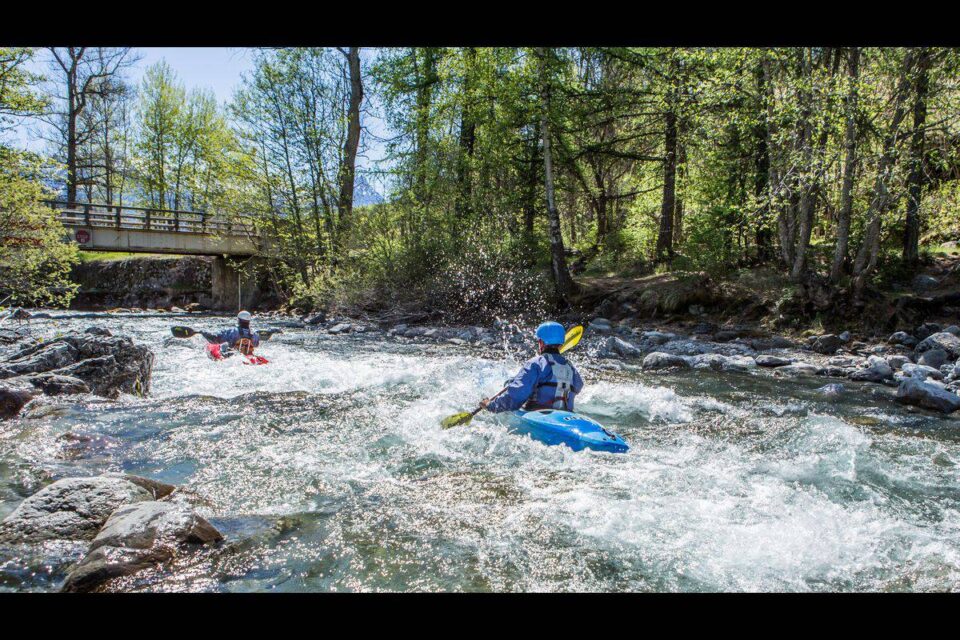
In the protected glacial valley that leads from Entre-Aigues to Vallouise, the Onde flows, cold and tumultuous. Easy to access, this river , classified III/IV, with a few steep rapids , does not present any particular danger and offers a splendid view of the Tête d’Amont. The finish is on the outskirts of Vallouise at the Gérondoine bridge.
La Byaisse (Part 1): from the Pont des Oules to Freissinières
A little gem hidden at the bottom of the Freissinières valley, the Biaysse is an exceptional river, narrow and technical, quite intimate. The start is a heavenly place that you would almost find difficult to leave, if the call of the river was not so strong. This long course, between 2h30 and 4h depending on the knowledge of the route, is classified IV, is marked by many rapid and small falls that will delight the most seasoned among you.
La Byaisse (Part 2): from Freissinières to Pallon
Much shorter than the first portion, this route lasts only about twenty minutes and is perfectly suited to the discovery of white water in the high mountains. The route, classified II/III , is done quietly with the Queyras in focus, in a superb alpine valley!
The Durance: from Prelles to Argentière
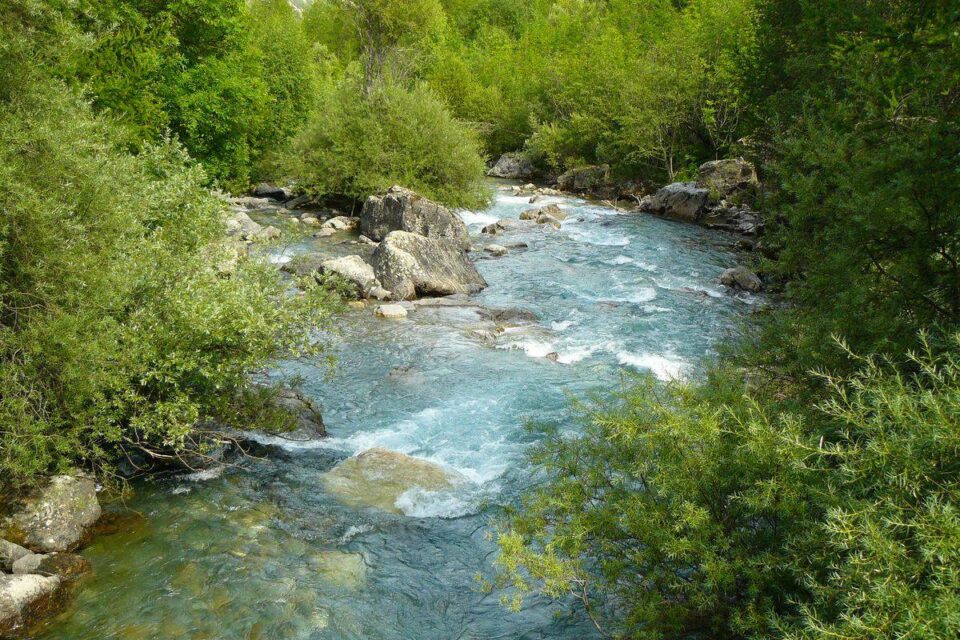
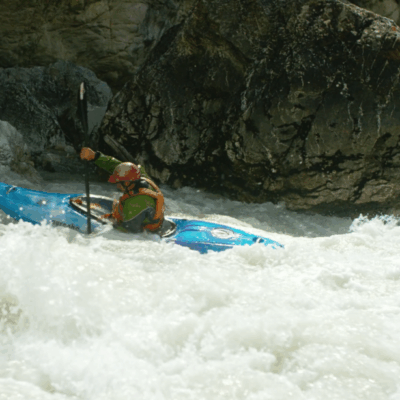
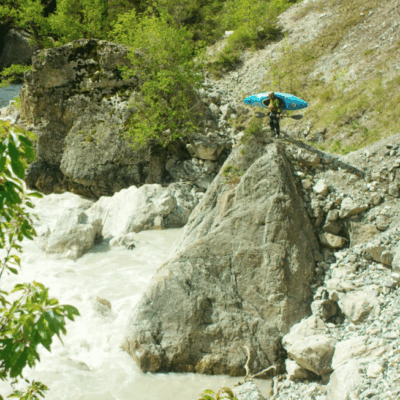
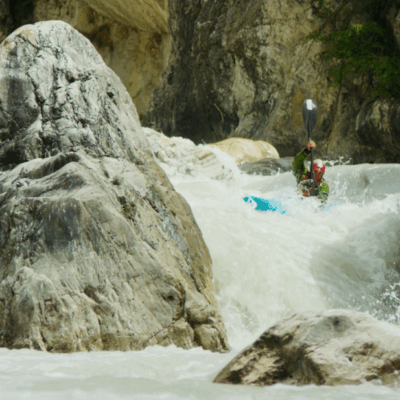
A must-see in the region, a passage through the mythical gorges of the Durance! The gorges are engaged and narrow, classified III-IV. Despite a few mandatory portages, the last rapids that follow one another are magical, for an unforgettable experience.
The Guisane
Bonus gift: Two possible sections on the emblematic river of the Serre-Chevalier valley, starting from Monêtier-les-Bains and Chantemerle. The first is classified II-III and is perfect for an introduction to alpine rivers, crossing several hamlets, in a calm way, except on the few rapids that add spice to the crossing. The second course is more technical, classified III-IV, punctuated by a few rapids without excessive difficulty.
Plan your routes online
Discover our website dedicated to hiking in the Écrins and prepare your next outing as well as possible!